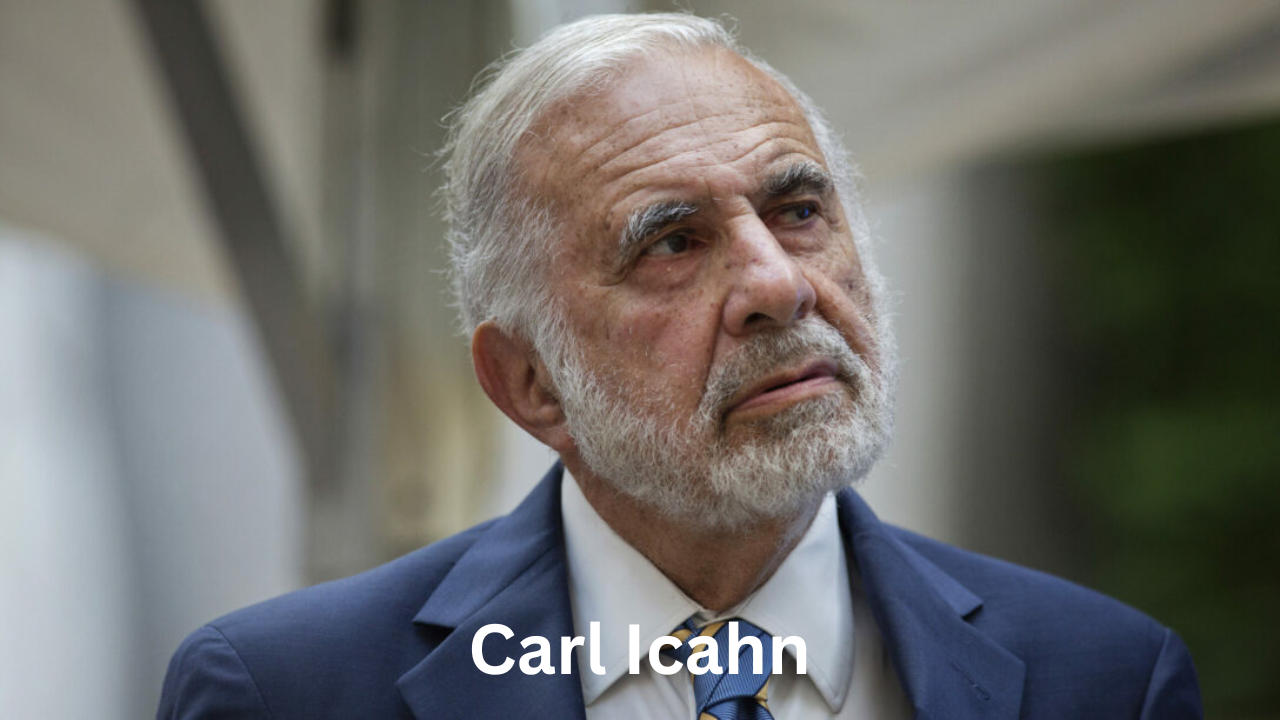
Carl Icahn is one of the most influential and controversial investors in modern financial history. Known for his fearless investment style, bold corporate takeovers, and activist campaigns, Carl Icahn has spent decades reshaping major companies and influencing the direction of corporate America. Whether admired as a shareholder champion or criticized as a ruthless corporate raider, his impact on the business world is undeniable.
From building a multibillion-dollar fortune to becoming one of Wall Street’s most recognizable names, Carl Icahn’s career offers valuable lessons in investing, corporate governance, and long-term wealth creation. This article explores his life, career, investment philosophy, achievements, controversies, and lasting legacy.
Who Is Carl Icahn?
Carl Icahn is an American billionaire investor, businessman, and corporate activist best known for purchasing significant stakes in publicly traded companies and pushing management to improve shareholder value.
Born on February 16, 1936, in Queens, New York, Icahn developed a reputation for identifying undervalued businesses and forcing changes that often resulted in higher stock prices. Over the years, he has become one of the pioneers of activist investing, a strategy where investors actively influence company decisions rather than simply buying and holding shares.
His investment company, Icahn Enterprises, has become one of the most recognized diversified holding companies in the United States.
Early Life and Education
Carl Icahn grew up in a middle-class family in New York City. His father worked as a teacher and cantor, while his mother was also involved in education.
He attended Far Rockaway High School before enrolling at Princeton University, where he earned a degree in Philosophy in 1957. Although philosophy may seem unrelated to finance, Icahn has often credited his education with teaching him logical thinking and disciplined decision-making.
After graduation, he briefly attended medical school but soon realized that medicine wasn’t his passion. He eventually entered the financial industry, a decision that would shape the rest of his life.
Beginning of His Career
Carl Icahn started his Wall Street career as a stockbroker in the early 1960s. During this period, he gained valuable experience analyzing businesses, trading securities, and understanding market psychology.
In 1968, he established his own brokerage firm using personal savings and borrowed capital. This move marked the beginning of his entrepreneurial journey.
Unlike many traditional investors, Icahn believed that poor management often prevented companies from reaching their full potential. Instead of avoiding struggling businesses, he actively sought them out.
This unconventional strategy became the foundation of his investment empire.
The Rise of an Activist Investor
Carl Icahn became famous during the 1980s when corporate takeovers were transforming American business.
Rather than simply investing for passive returns, Icahn acquired large ownership stakes in companies and pressured executives to make changes such as:
- Selling underperforming divisions
- Improving operational efficiency
- Buying back company shares
- Replacing ineffective leadership
- Exploring mergers or acquisitions
- Returning excess cash to shareholders
His willingness to challenge company boards earned him both respect and criticism.
Supporters viewed him as someone who protected shareholder interests, while opponents accused him of prioritizing short-term gains.
Regardless of opinions, his activist approach permanently changed corporate governance.
Carl Icahn’s Most Famous Investments
Throughout his remarkable career, Carl Icahn has invested in dozens of high-profile companies across various industries.
Some of his most notable investments include:
Apple
Carl Icahn made headlines when he invested billions of dollars in Apple.
He argued that the company’s shares were significantly undervalued and publicly encouraged management to expand stock buyback programs.
His investment generated substantial profits as Apple’s market value continued to rise.
Netflix
Icahn purchased shares in Netflix during a period when many investors doubted the company’s future.
As streaming subscriptions expanded worldwide, Netflix experienced tremendous growth, making the investment highly successful.
eBay
Carl Icahn pushed for strategic changes at eBay, including the separation of PayPal from its parent company.
The eventual split unlocked considerable shareholder value and became one of the most discussed activist victories in recent years.
Motorola
Icahn invested heavily in Motorola and advocated restructuring efforts designed to improve shareholder returns.
Herbalife
Carl Icahn famously defended Herbalife during a highly publicized dispute involving another billionaire investor.
His confidence in the company’s future generated significant market attention.
Energy Companies
In recent years, Icahn has invested in numerous energy and refining businesses, believing they offered attractive long-term value opportunities.
Icahn Enterprises
Icahn Enterprises serves as Carl Icahn’s primary investment vehicle.
The diversified holding company owns businesses across multiple industries, including:
- Energy
- Automotive
- Food packaging
- Home fashion
- Pharmaceuticals
- Real estate
- Financial services
Rather than focusing on one sector, Icahn Enterprises follows a diversified strategy that allows it to capitalize on opportunities across different markets.
Its portfolio reflects Carl Icahn’s belief that value can be found in numerous industries when assets are properly managed.
Carl Icahn’s Investment Philosophy
Carl Icahn’s investment philosophy differs significantly from traditional buy-and-hold investing.
His approach centers around identifying undervalued businesses where management improvements can unlock shareholder value.
Some of his core principles include:
Buy Undervalued Assets
Icahn searches for companies trading below their intrinsic value.
He believes market inefficiencies often create buying opportunities.
Influence Management
Instead of waiting for executives to improve performance, Icahn actively pushes for operational changes.
Focus on Shareholder Value
Every recommendation typically centers on increasing returns for investors.
Be Patient
Although known for aggressive activism, many of Icahn’s investments are held for years before reaching their full potential.
Think Independently
Carl Icahn rarely follows market trends.
He prefers making decisions based on detailed financial analysis rather than public opinion.
Leadership Style
Carl Icahn is known for his direct, analytical, and highly disciplined leadership style.
He carefully researches businesses before investing and is never afraid to challenge executives if he believes they are underperforming.
His negotiating skills, persistence, and willingness to take calculated risks have helped him secure numerous successful deals.
Many business leaders consider him one of the toughest negotiators on Wall Street.
Major Achievements
Carl Icahn’s accomplishments span more than five decades.
Some of his most significant achievements include:
- Building a multibillion-dollar investment empire
- Becoming one of the world’s most successful activist investors
- Influencing governance practices across major corporations
- Generating substantial returns through strategic investments
- Inspiring future generations of activist investors
- Leading one of America’s best-known holding companies
His career has left a lasting mark on corporate finance.
Challenges and Controversies
No discussion about Carl Icahn would be complete without mentioning the controversies surrounding his career.
Critics have argued that activist investors sometimes focus too heavily on short-term financial gains.
Others believe aggressive restructuring can lead to layoffs or reduced long-term investment.
Carl Icahn, however, has consistently defended his strategy by arguing that stronger financial performance ultimately benefits shareholders and strengthens companies.
Throughout his career, he has remained one of Wall Street’s most polarizing figures.
Carl Icahn’s Net Worth
Carl Icahn has consistently ranked among America’s wealthiest individuals.
His fortune has fluctuated over time because much of his wealth is tied to publicly traded investments.
Despite changing market conditions, he remains one of the richest investors in the financial industry.
His success reflects decades of disciplined investing, calculated risk-taking, and strategic business decisions.
Lessons Investors Can Learn from Carl Icahn
Whether you’re a beginner or experienced investor, Carl Icahn’s career provides valuable lessons.
Important takeaways include:
- Always research before investing.
- Look for undervalued opportunities.
- Don’t blindly follow market trends.
- Understand company fundamentals.
- Think independently.
- Stay patient during market volatility.
- Focus on long-term value creation.
- Never stop learning about businesses.
These principles remain relevant regardless of changing market conditions.
Carl Icahn’s Influence on Corporate America
Carl Icahn has transformed the relationship between shareholders and corporate management.
Before activist investing became mainstream, many shareholders had limited influence over company decisions.
Icahn demonstrated that investors could actively shape corporate strategy by acquiring meaningful ownership stakes and demanding accountability.
Today, activist investing has become a widely accepted strategy, with many firms following principles similar to those pioneered by Icahn.
His influence extends beyond finance into corporate governance, executive accountability, and shareholder rights.
Why Carl Icahn Remains Relevant Today
Even after decades in the investment industry, Carl Icahn continues to attract attention from investors, analysts, and financial media.
His market commentary often influences investor sentiment, while his investment decisions are closely monitored across Wall Street.
As financial markets evolve, Icahn continues adapting his investment strategies while remaining committed to identifying undervalued businesses.
His longevity demonstrates the effectiveness of disciplined investing and strategic activism.
The Legacy of Carl Icahn
Carl Icahn’s legacy extends far beyond his personal wealth.
He fundamentally changed how investors interact with corporations.
His activist approach encouraged greater transparency, stronger governance, and increased accountability among public companies.
While opinions about his methods differ, few can deny his enormous influence on modern finance.
Future generations of investors will continue studying his strategies, negotiations, and investment philosophy for years to come.
Frequently Asked Questions About Carl Icahn
What is Carl Icahn famous for?
Carl Icahn is famous for being a billionaire activist investor who acquires significant stakes in companies and pushes for strategic changes to improve shareholder value.
What company does Carl Icahn own?
Carl Icahn controls Icahn Enterprises, a diversified holding company with investments in energy, automotive, real estate, food packaging, financial services, and other industries.
What is Carl Icahn’s investment strategy?
His strategy focuses on purchasing undervalued companies, influencing management decisions, restructuring businesses, and unlocking shareholder value.
Why is Carl Icahn called an activist investor?
He is called an activist investor because he actively works to influence company leadership and corporate decisions rather than remaining a passive shareholder.
Is Carl Icahn still active in investing?
Yes. Carl Icahn continues to oversee investments through Icahn Enterprises and remains an influential figure in global financial markets.
Conclusion
Carl Icahn stands as one of the most influential investors in financial history. His willingness to challenge corporate leadership, identify undervalued companies, and advocate for shareholder interests has reshaped the investment landscape. While his methods have sparked debate, his long-term success and lasting influence on Wall Street are undeniable.
For investors, entrepreneurs, and business professionals alike, studying Carl Icahn’s career provides valuable insights into strategic investing, corporate governance, and disciplined decision-making. His story is a powerful reminder that independent thinking, careful analysis, and persistence can create extraordinary opportunities in the world of finance.


One thought on “Carl Icahn: The Billionaire Investor Who Changed Wall Street Forever”
Comments are closed.