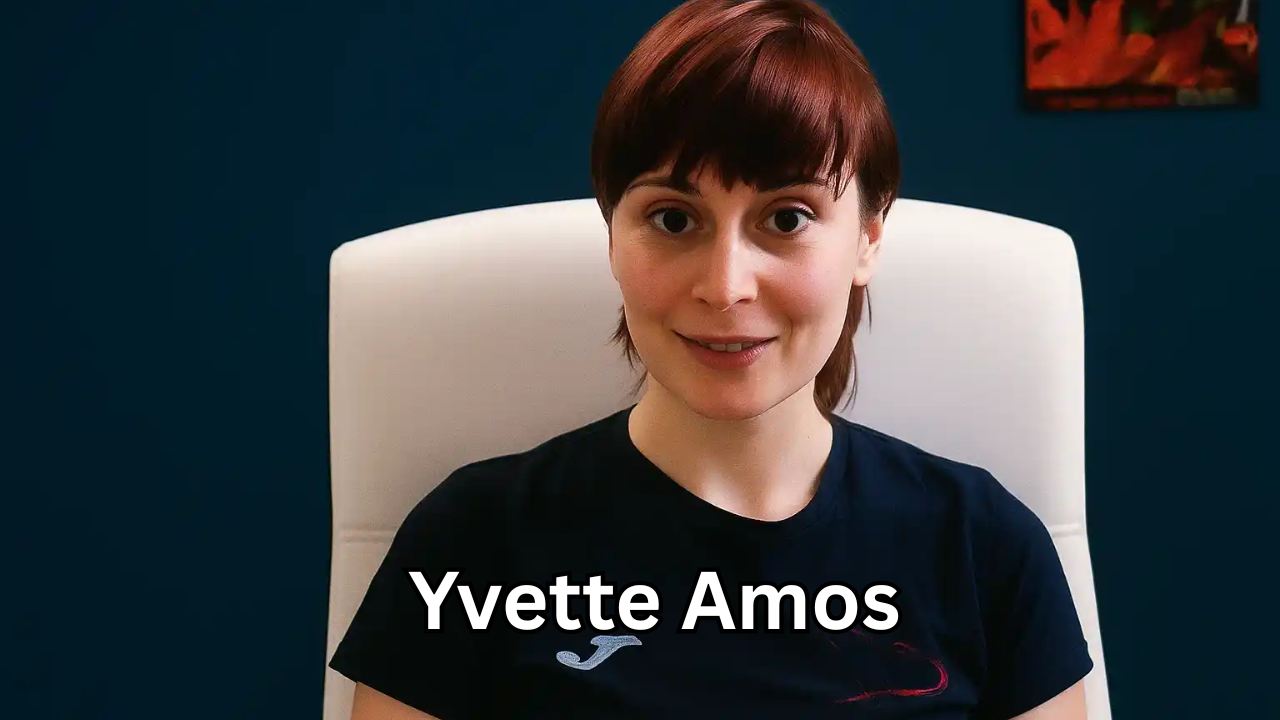
Yvette Amos became a widely searched name almost overnight after a brief appearance on BBC Wales turned into a global viral moment. What started as a normal television interview quickly captured international attention, sparking conversations across social media platforms, news websites, and search engines. As interest grew, people wanted to know more about Yvette Amos, her background, what actually happened during the interview, and how the incident impacted her life.
This article provides a complete, accurate, and SEO-optimized overview of Yvette Amos, explaining why she went viral, the context of the BBC Wales interview, public reactions, and the broader lessons around privacy and remote media appearances.
Who Is Yvette Amos?
Yvette Amos is a private individual who gained unexpected public attention after appearing in a BBC Wales news segment during the COVID-19 lockdown period. She was invited to speak as a guest on the program, sharing her perspective on employment challenges faced by people during the pandemic.
Before the viral incident, Yvette Amos was not a public figure, celebrity, or media personality. She represented the many ordinary individuals whose voices were featured in news coverage during a time when remote interviews became the norm. Her sudden rise in online searches was not planned or intentional but was the result of an unforeseen moment that captured viewers’ attention.
The BBC Wales Interview That Went Viral
The interview took place during a live BBC Wales broadcast conducted through Zoom, a video conferencing platform widely used during lockdowns. Yvette Amos joined the program from her home, as was common practice at the time. The discussion itself focused on job losses and economic uncertainty caused by the pandemic.
However, viewers quickly noticed an object visible in the background of her video frame. This detail became the focal point of online discussion rather than the interview’s serious subject matter. Clips and screenshots spread rapidly across Twitter, Facebook, Reddit, and other platforms, transforming a routine interview into a viral phenomenon.
The BBC interview was not staged or scripted, and there was no indication that Yvette Amos intended to attract attention. The incident highlights how live broadcasts, especially remote ones, can amplify even small, unintended details.
Why Did Yvette Amos Trend Online?
Yvette Amos trended online primarily because of the contrast between the serious tone of the interview and the unexpected background detail noticed by viewers. Social media users shared reactions, memes, and commentary, causing the clip to circulate far beyond its original audience.
Searches for “Yvette Amos” spiked dramatically within hours of the broadcast. Many people were curious about who she was, whether the moment was intentional, and how she responded afterward. News outlets and blogs also contributed to the trend by publishing explainers and reaction pieces.
The viral spread was fueled by the speed of social media, where visual content can quickly overshadow context. As a result, Yvette Amos became an example of how quickly someone can become famous without seeking attention.
Public Reaction and Media Coverage
Public reaction to the Yvette Amos incident was mixed. Some viewers found the moment humorous and shared it lightheartedly, while others criticized the intense scrutiny placed on a private individual. Many people pointed out that the focus should have remained on the important topic she was discussing rather than her surroundings.
Several journalists and commentators used the incident to discuss issues of privacy, respect, and the pressures of live broadcasting. The story was covered not only by entertainment websites but also by mainstream news platforms, emphasizing its cultural impact.
Importantly, many voices defended Yvette Amos, reminding audiences that remote interviews often take place in personal spaces and that mistakes or oversights can happen to anyone.

Yvette Amos and Online Privacy Concerns
The viral moment involving Yvette Amos reignited discussions about online privacy, especially in the age of remote work and digital communication. During the pandemic, millions of people were suddenly broadcasting from their homes, often without professional setups or guidance.
This situation highlighted how personal spaces can unintentionally become public and how quickly content can be shared without consent. The experience of Yvette Amos serves as a reminder that digital visibility carries risks, particularly for individuals who are not media professionals.
Experts emphasized the importance of checking backgrounds, using virtual backgrounds when possible, and understanding how quickly images can spread online. However, they also stressed the need for empathy toward individuals caught in viral moments.
How the Incident Affected Yvette Amos
Yvette Amos did not seek fame, and there is limited public information about her life following the interview. Reports suggest that she maintained a low profile after the incident, avoiding public commentary and media appearances.
This response is understandable, as sudden viral attention can be overwhelming, especially when it is uninvited. The incident underscores how quickly a person’s life can be disrupted by online attention and how difficult it can be to regain privacy afterward.
For many observers, her experience became a case study in the unintended consequences of viral culture.
Lessons Learned from the Yvette Amos Story
The story of Yvette Amos offers several important lessons for both individuals and media organizations. First, it demonstrates how live content can quickly move beyond its original context. Even small details can become the focus of global attention.
Second, it highlights the responsibility of audiences to engage respectfully with viral content. Behind every trending name is a real person who may be affected emotionally and socially by sudden exposure.
Finally, it shows the importance of digital awareness in an era where video communication is common. While technical precautions are helpful, compassion and understanding from viewers are equally important.
Yvette Amos in Internet Culture
Yvette Amos has become part of a broader internet culture narrative where ordinary people experience sudden viral fame. Similar incidents have occurred with live TV guests, online meetings, and social media videos, reflecting how unpredictable online attention can be.
Unlike influencers or celebrities, individuals like Yvette Amos do not benefit from media training or public relations support. Their stories often spark debates about whether internet humor crosses ethical boundaries.
As time passes, such moments often fade, but they leave behind lasting conversations about digital responsibility.

Frequently Asked Questions About Yvette Amos
Many people searching for Yvette Amos want clarity rather than speculation. She was not an actress, influencer, or public figure before the BBC Wales interview. The viral moment was accidental, and there is no evidence that it was staged.
There are also no confirmed reports of her pursuing media opportunities afterward. Her story remains a reminder of how quickly attention can shift online and how important context is when consuming viral content.
Final Thoughts on Yvette Amos
Yvette Amos became widely known due to an unexpected moment during a BBC Wales Zoom interview, not because of any deliberate action or public persona. Her experience reflects the realities of modern media, where the line between private and public life can blur instantly.
The story continues to be searched online because it combines elements of human error, viral culture, and digital ethics. By understanding the full context, audiences can move beyond surface-level reactions and recognize the real person behind the headline.
As remote communication remains a part of daily life, the case of Yvette Amos stands as a powerful example of why empathy, awareness, and respect matter more than ever.
Also Read: Crypings Com: A Complete Guide to Its Features, Benefits, and Why It Matters

One thought on “Yvette Amos: The Full Story Behind the Viral BBC Wales Zoom Interview”
Comments are closed.