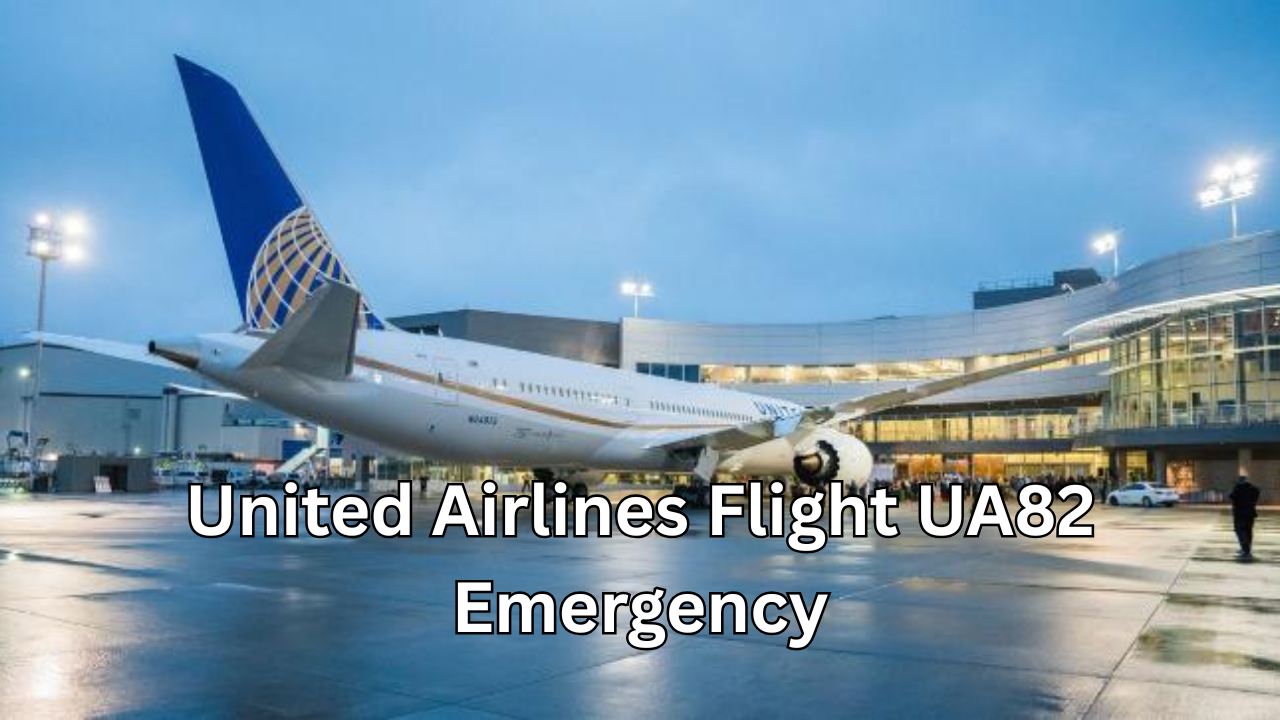
United airlines flight ua82 emergency quickly became a major talking point among travelers and aviation watchers as news of the unexpected situation spread across social media and news platforms. The incident raised serious questions about in-flight safety, airline response protocols, and how such situations are managed behind the scenes. While early reports created confusion and concern, a closer look reveals a clearer picture of what actually happened and why it matters for passengers worldwide.
Commercial aviation operates under some of the strictest safety standards in the world, yet emergencies can still occur due to technical, medical, or environmental factors. When they do, airlines are expected to respond with precision, transparency, and professionalism. Understanding this particular event helps passengers gain confidence in air travel while separating verified facts from online speculation.
Background of the United Airlines Flight UA82 Emergency
The united airlines flight ua82 emergency involved a long-haul international route operated by United Airlines, a carrier known for extensive transcontinental and intercontinental operations. Flight UA82 typically connects major global hubs, carrying hundreds of passengers across vast distances. Because of the flight’s duration and route, any unexpected situation naturally draws heightened attention.
According to publicly available aviation data and airline statements, the aircraft was cruising normally when the crew detected an issue that required immediate assessment. At this stage, safety protocols dictate that flight crews communicate with air traffic control, evaluate onboard conditions, and determine whether a diversion or precautionary landing is necessary. This process is standard across the aviation industry and is designed to prioritize passenger and crew safety above all else.
Importantly, not every emergency declaration means a catastrophic failure. In many cases, it reflects caution and preparedness rather than imminent danger. The terminology used in aviation can sometimes sound alarming to the public, even when the situation is under control.

What Triggered the Situation Onboard
While initial online rumors suggested multiple possible causes, official information pointed toward a specific concern that required prompt action. Airlines rarely disclose highly technical details immediately, especially while an incident is still being reviewed. However, aviation experts explain that most in-flight emergencies fall into a few broad categories.
Mechanical alerts, for example, can be triggered by sensors detecting irregular readings. These alerts are designed to err on the side of caution, even if the underlying issue turns out to be minor. Medical situations involving passengers can also lead to emergency declarations, particularly on long-distance flights where immediate medical assistance may be limited. Weather-related factors, such as unexpected turbulence or atmospheric conditions, are another possibility that crews must manage carefully.
In the case of united airlines flight ua82 emergency, the crew followed established procedures, demonstrating why training and experience are critical in commercial aviation. Pilots undergo rigorous simulator training for a wide range of scenarios, allowing them to respond calmly and decisively when real-world issues arise.
How the Crew and Airline Responded
One of the most reassuring aspects of this incident was the professional response by the flight crew and airline operations team. From the cockpit to the cabin, coordination plays a vital role during any irregular operation. Pilots maintain constant communication with ground control, while cabin crew focus on passenger safety and comfort.
United Airlines’ operational control center monitors flights in real time, offering guidance and support when unexpected situations occur. This centralized system allows airlines to assess weather, airport conditions, and technical data simultaneously. For united airlines flight ua82 emergency, such coordination ensured that decisions were made based on the most accurate and up-to-date information available.
Passengers onboard later reported clear communication from the crew, which is a key factor in reducing anxiety during stressful moments. Transparency, even when limited, helps maintain trust between airlines and travelers.
Passenger Experience and Public Reaction
In today’s digital age, passenger experiences often reach the public within minutes through social media posts and videos. While this can provide valuable firsthand insight, it can also lead to misinformation if early impressions are incomplete or emotional. The online reaction to this incident reflected both concern and curiosity, with many users seeking confirmation of facts.
It is important to recognize that aviation emergencies are handled differently from everyday travel disruptions. An emergency declaration does not automatically imply that passengers were in immediate danger. Instead, it signals that the crew chose the safest possible option given the circumstances. This distinction was not always clear in early discussions surrounding united airlines flight ua82 emergency, leading to exaggerated interpretations.
Over time, as more verified details emerged, public understanding improved. Aviation analysts emphasized that the outcome demonstrated the effectiveness of safety systems rather than their failure.
Safety Protocols Behind Emergency Decisions
To fully understand events like this, it helps to look at how airline safety protocols are designed. International aviation authorities require airlines to adopt conservative decision-making models. If a potential issue arises, crews are encouraged to treat it seriously until proven otherwise.
Modern aircraft are equipped with multiple redundant systems, meaning a single alert rarely compromises overall safety. Emergency procedures often involve diverting to a suitable airport where maintenance teams and medical services are readily available. This proactive approach minimizes risk and ensures swift resolution.
The handling of united airlines flight ua82 emergency aligns with these global standards. From a safety perspective, the incident serves as an example of systems working exactly as intended. Rather than pushing forward to avoid delays, the airline prioritized caution and accountability.
Media Coverage and Information Gaps
Media coverage plays a powerful role in shaping public perception of aviation incidents. Headlines often focus on dramatic language, which can unintentionally amplify fear. While attention is understandable, responsible reporting requires context and accuracy.
In this case, early reports lacked complete information, leading to speculation about worst-case scenarios. As official statements were released, it became clear that the situation was managed efficiently and without serious consequences. The contrast between initial headlines and later explanations highlights the importance of waiting for confirmed details.
For readers following united airlines flight ua82 emergency, distinguishing between verified sources and unconfirmed claims was essential. Airline press releases, aviation authority updates, and expert commentary provided a more balanced and factual perspective.

Lessons for Travelers and the Aviation Industry
Every aviation incident offers lessons, both for passengers and for airlines. For travelers, understanding that emergency procedures are preventive rather than reactive can help reduce fear. Air travel remains one of the safest modes of transportation, largely due to the strict protocols demonstrated in events like this.
For airlines, transparency and communication remain critical. Clear messaging during and after an incident builds long-term trust with customers. United Airlines’ handling of this situation showed the value of preparedness and coordinated response.
The broader industry also benefits from post-incident reviews, which allow engineers and regulators to refine systems and training. Continuous improvement is a cornerstone of aviation safety, ensuring that even rare events contribute to future reliability.
Final Thoughts on the Incident
Looking back, the united airlines flight ua82 emergency stands as a reminder that aviation safety is built on vigilance, preparation, and disciplined decision-making. While the term “emergency” can sound alarming, it often reflects a commitment to caution rather than a sign of failure.
The successful handling of the situation underscores the professionalism of flight crews and the robustness of modern aircraft systems. For passengers, the key takeaway is reassurance: when something unexpected occurs, there are multiple layers of protection in place to manage it effectively.
As air travel continues to connect the world, incidents like this highlight why trust in aviation remains well-founded. By focusing on facts instead of fear, travelers can better appreciate the systems designed to keep them safe at every stage of their journey.
Also Read: MTV Shutting Down: Shocking Truth Behind the Alarming Rumors



One thought on “United Airlines Flight UA82 Emergency: Shocking Truth Behind the Incident”
Comments are closed.