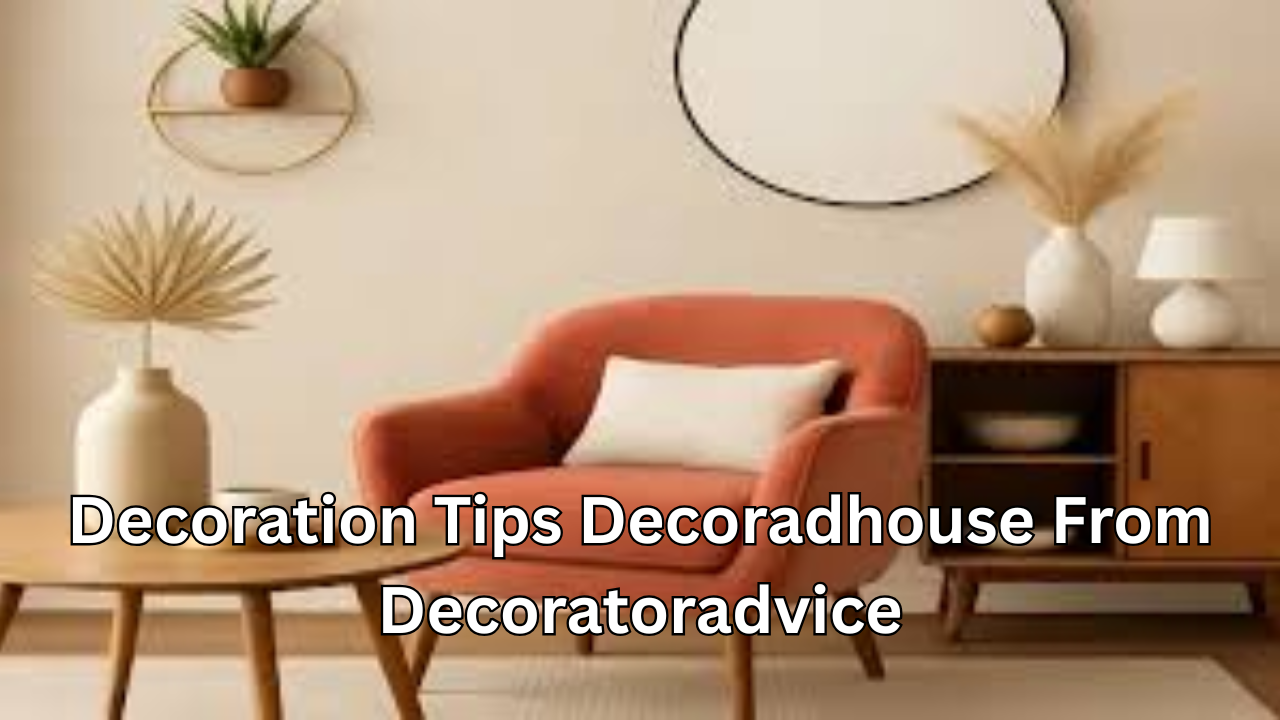
Decoration tips decoradhouse from decoratoradvice can completely transform the way a home looks, feels, and functions when applied with clarity and purpose. A well-decorated space is not only about beauty but also about comfort, balance, and the expression of personality in a natural way. This guide explores practical yet refined ideas that help homeowners create elegant interiors without overwhelming the senses, while maintaining a timeless and welcoming atmosphere.
Understanding the Foundation of Good Interior Design
Before diving into specific styles or trends, it is important to understand what truly makes interior decoration successful. A thoughtfully designed home begins with awareness of space, light, and proportion. Each room has a purpose, and decoration should enhance that purpose rather than distract from it. When homeowners focus on harmony among furniture, colors, and textures, the result feels intentional rather than accidental.
Natural light significantly shapes interiors. While sunlit rooms can handle bolder colors and richer materials, those with limited light benefit from lighter shades and reflective surfaces. Strive for balance. Too-large furniture in a small room overwhelms, while tiny decorative pieces in an expansive area get lost. Achieving the right sense of scale maintains visual comfort throughout the home.
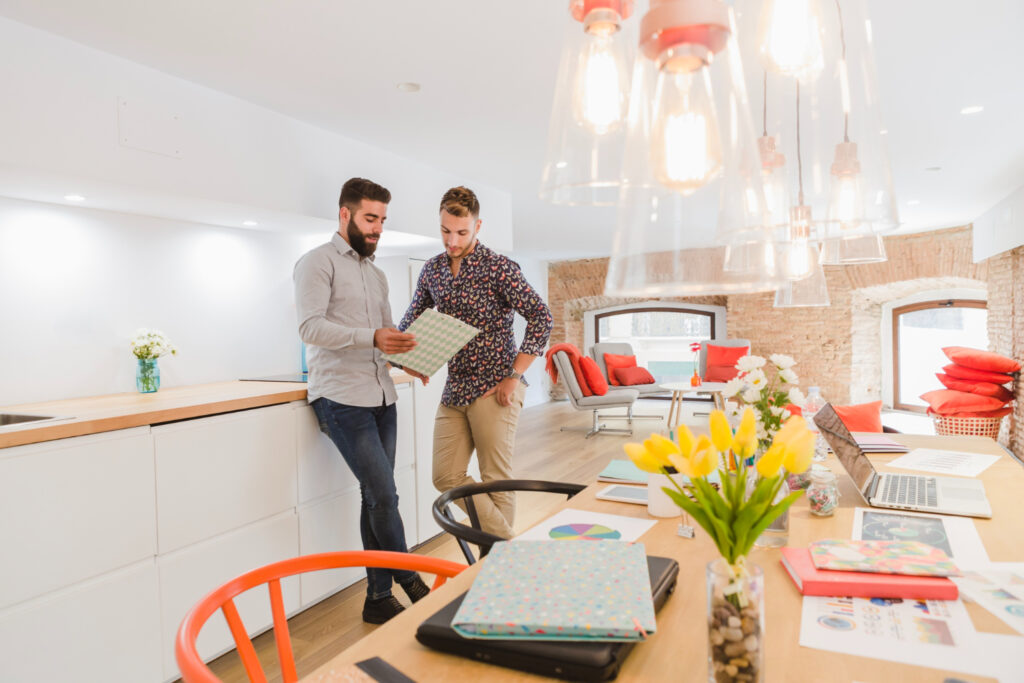
How Decoration Tips Decoradhouse From Decoratoradvice Shape Modern Homes
decoration tips decoradhouse from decoratoradvice
These decorating insights emphasize the importance of thoughtful planning over impulsive choices. Instead of filling a space with random décor items, the approach encourages homeowners to identify a central theme and build around it gradually. This method not only saves money but also results in interiors that feel cohesive and well-curated.
Modern homes combine minimalist appeal with warmth. Clean lines and uncluttered layouts coexist with soft fabrics, layered lighting, and subtle decorative accents. This balance creates spaces that feel both contemporary and livable. Putting function alongside style allows interiors to look polished without sacrificing everyday comfort.
Choosing Colors That Enhance Mood and Space
Color has a powerful influence on how a room feels. Soft neutrals tend to create a sense of calm and openness, making them ideal for living rooms and bedrooms. Warmer shades can add energy and personality when used thoughtfully, especially in social areas like dining spaces. Instead of covering every wall with bold tones, accent walls or color-blocked sections provide visual interest without overpowering the room.
Consistency matters across rooms. Each can have its character, but a shared palette helps the home flow naturally. Rooms need not match, but subtle hue connections make transitions smooth and intentional.
Furniture Placement and Flow
Furniture placement shapes the experience of a space. Good arrangement promotes movement and conversation while avoiding cluttered pathways. In living rooms, seating should bring people together, not isolate. In bedrooms, an open, restful layout allows the bed to serve as a focal point without dominating the room.
Multi-functional furniture, especially in smaller homes, enhances storage and order. When furniture complements its room, even compact spaces feel spacious and inviting.
Texture and Materials for Visual Depth
Even the most carefully decorated room feels flat without texture. Combining materials such as wood, fabric, metal, and glass builds depth and interest. Soft textiles add warmth, while natural elements like stone or wood anchor the space and introduce authenticity.
Layering textures does not require complexity. Simple choices, like pairing a smooth sofa with a woven rug or adding linen curtains to a polished space, can significantly enhance the overall feel. These subtle contrasts make interiors feel rich and thoughtfully composed without appearing busy.
Lighting as a Design Element
Lighting is often underestimated but plays a crucial role in interior decoration. A single overhead light rarely offers enough warmth or flexibility. Layer ambient, task, and accent lighting to adapt spaces for different moods and activities.
Warm lighting creates a cozy atmosphere in living and sleeping areas. Brighter, focused light works better in kitchens and workspaces. Thoughtful lighting highlights architectural features and decorative elements, adding depth and character.
Personal Touches That Make a House Feel Like Home
Design principles provide structure, but personal touches bring a space to life. Artwork, books, and meaningful objects tell the story of its residents. These elements should enhance the room, not overwhelm it.
Bringing personal items into a cohesive design requires balance. Rather than displaying many pieces everywhere, showcase a few cherished items in prominent spots. This approach keeps rooms visually calm while still honoring individuality.
Decorating on a Budget Without Compromise
Stylish interiors do not require endless spending. Smart decorating prioritizes key pieces and is patient with the process. Investing in quality furniture that lasts longer often proves more cost-effective than replacing cheaper items frequently.
Small updates can make a big difference. Changing cushion covers, updating lighting fixtures, or refreshing wall colors can dramatically improve a room’s appearance. Following decoration tips from decoratoradvice helps homeowners recognize that thoughtful choices matter more than price tags when creating a beautiful home.
Creating Consistency Across Different Rooms
A well-decorated home achieves unity even when each room has its own identity. To create consistency, repeat materials, colors, or design motifs in subtle ways. This strategy allows for variation without chaos, ensuring a cohesive feel throughout the home.
Transitions between rooms should feel seamless. Hallways and entryways often serve as visual bridges, making them ideal spots to reinforce the overall design theme. When thoughtfully decorated, these areas enhance the sense of flow rather than appearing overlooked.
Long-Term Design That Stays Relevant
Trends come and go, but timeless design lasts. Classic shapes, neutral bases, and adaptable décor keep homes stylish over time. Trend-driven elements work best as accents that are easy to change as preferences evolve.
By focusing on longevity, homeowners avoid the need for constant redesigns. This approach not only saves money but also creates spaces that grow comfortably with changing lifestyles. Decoradhouse’s advice encourages mindful decisions that prioritize lasting beauty over temporary appeal.
Conclusion: A Balanced Approach to Home Decoration
Creating a beautiful home is a journey rather than a one-time task. When these expert tips are applied with patience and understanding, interiors become more than visually pleasing spaces; they become environments that support comfort, creativity, and everyday living. By prioritizing balance, functionality, and personal expression, homeowners can design spaces that feel welcoming today and remain relevant for years to come.
Also Read: tophillsport com Powerful and Honest Review of a Rising Sports Platform
One thought on “Decoration Tips Decoradhouse From Decoratoradvice: The Ultimate Positive Guide to Stylish Living”
Comments are closed.