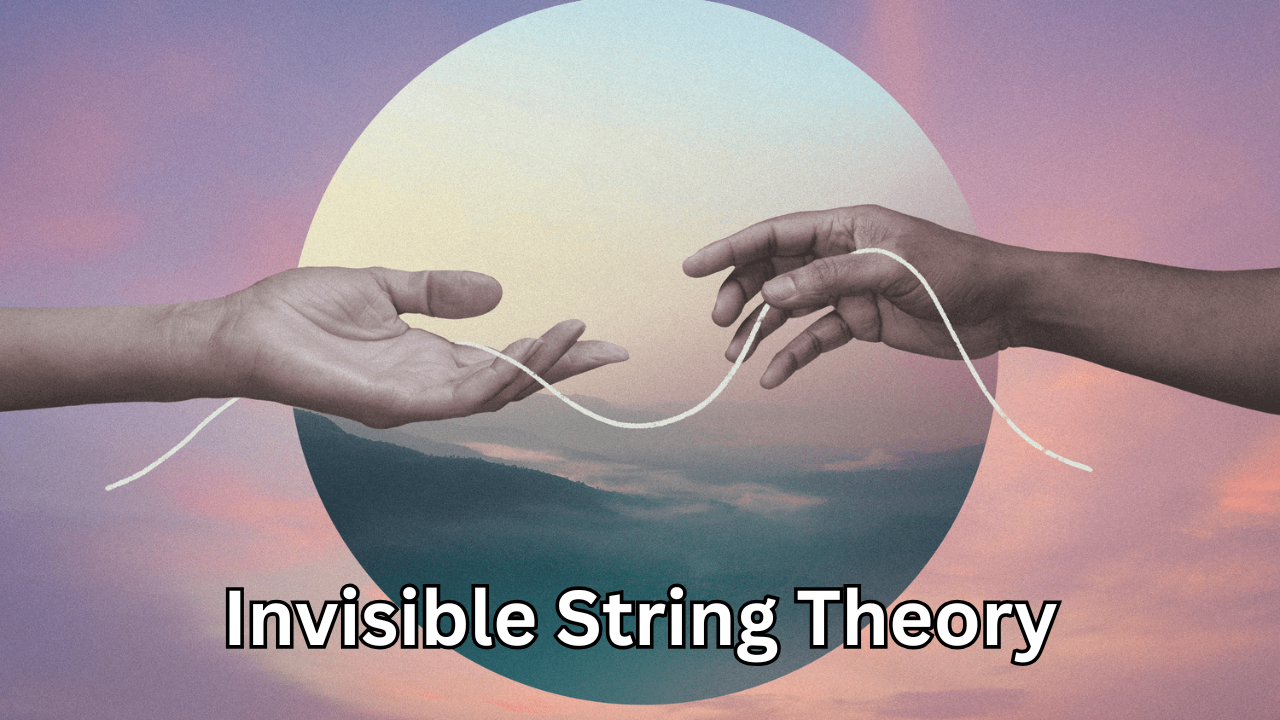
Invisible string theory is a comforting idea that suggests people who are meant to meet, love, or impact each other are connected by an unseen emotional thread, no matter how far apart they may be. This belief has become widely shared across social media, books, and everyday conversations because it offers something deeply human: the feeling that no connection is truly random and that meaningful relationships are guided by something greater than chance.
At its core, this concept is not about science in the traditional sense. Instead, it is a symbolic way of understanding how lives cross paths in surprising yet meaningful ways. People often turn to this idea when thinking about friendships that seem destined, romantic partners who arrive unexpectedly, or even brief encounters that leave a lasting emotional impact. The idea of being emotionally connected to someone before ever meeting them feels both mysterious and reassuring, especially in a world that can often feel chaotic.
The origin and cultural roots of the idea
The idea of invisible emotional threads connecting people can be traced back to ancient Eastern philosophy. In Chinese folklore, there is a story about a red thread of fate that ties together those who are destined to meet. This thread may stretch, tangle, or twist, but it never breaks. Over time, this poetic belief spread into modern storytelling and poetry, and eventually into popular culture worldwide.
Today, the concept has evolved beyond its original roots. It is no longer only about romantic destiny. It also applies to friendships, family bonds, and even chance meetings that change the direction of someone’s life. People see it as a way to make sense of why specific individuals appear at precisely the right moment. Whether it is a teacher who inspires you, a stranger who offers life-changing advice, or a partner who feels instantly familiar, this idea gives meaning to those moments.

Why the concept feels so emotionally powerful
One reason this belief has gained so much popularity is that it speaks directly to human emotions. Everyone has experienced moments that feel too perfect to be accidental. When two people from very different backgrounds meet and instantly connect, it feels like more than a coincidence. The thought that an unseen bond existed all along makes that connection feel deeper and more special.
It also brings comfort during separation. When people are apart from loved ones, whether due to distance, time, or circumstances, the idea of emotional ties offers reassurance; it suggests that even when you cannot see or speak to someone, the connection remains alive. This emotional security is one of the reasons so many people hold onto the concept, especially during challenging periods in life.
How it relates to relationships and destiny
Many people associate this idea with the concepts of destiny or fate. While some believe everything in life is random, others feel that certain relationships are meant to happen. This belief does not remove free will but instead suggests that some connections are guided by something more profound. You still choose how to act, but unseen forces may influence the people who come into your life.
In romantic relationships, this idea often explains why two people may feel drawn to each other even before truly knowing one another. That instant sense of familiarity, comfort, or recognition can feel like proof of a deeper bond. In friendships, it explains why some connections feel effortless while others take years to form.
The psychological appeal behind the belief
From a psychological perspective, humans naturally look for meaning in their experiences. The mind wants to connect events into a story that makes sense. When something emotional or unexpected happens, the brain tries to find a reason for it. The idea of an unseen emotional thread offers a beautiful, straightforward explanation.
Believing that certain people are connected also reduces feelings of loneliness. It creates the sense that no one is ever truly alone, even if they have not yet met the people who will eventually play essential roles in their lives. This belief can be exceptionally comforting during times of uncertainty, heartbreak, or personal growth.
Invisible string theory in modern pop culture
In recent years, this idea has become extremely popular in books, movies, and social media. Many romantic stories are built around the idea that two people are destined to find each other, no matter how many obstacles stand in their way. These stories resonate because they reflect a deep desire to believe in lasting and meaningful love.
On platforms like TikTok and Instagram, people often share personal stories about meeting someone in a way that feels too perfect to be random. These stories, whether about love or friendship, strengthen the belief that something unseen is guiding those connections. The more people hear these stories, the more real the idea feels.
Is it science or symbolism
It is essential to understand that this belief is not scientific in the traditional sense. There is no physical string or measurable force connecting people emotionally across distances. However, that does not make the idea meaningless. Symbolic beliefs often have powerful emotional effects, even if they are not based on physical laws.
In a way, it works like a metaphor. It represents the emotional bonds, shared experiences, and deep connections that bring people together. By giving those feelings a name and a visual image, the idea becomes easier to understand and emotionally process.
How it can influence your mindset
Believing in unseen emotional connections can positively influence how you view relationships. It can encourage patience, trust, and openness. When you think that meaningful people will enter your life at the right time, you may feel less anxious about being alone or about missed opportunities.
It can also inspire you to treat every encounter with more care. If you believe that even a brief meeting could be meaningful, you may be more present and kind in your interactions. This mindset can improve not only romantic relationships but also everyday social connections.

The balance between belief and reality
While this idea is comforting, it is also essential to stay grounded. Not every relationship is meant to last forever, and not every connection is guided by destiny. People grow, change, and sometimes drift apart. The belief in unseen emotional ties should not be used to justify unhealthy or one-sided relationships.
Instead, it should be seen as a way to appreciate the meaningful connections that do appear in your life. You can value the idea of destiny while still making conscious choices about who you allow into your world.
Why the idea continues to grow
The modern world often feels disconnected, even though people are more digitally connected than ever before. Many individuals long for deeper, more meaningful relationships. The idea of being emotionally tied to others before even meeting them answers that desire. It suggests that love, friendship, and understanding are not random but part of a larger, more meaningful pattern.
As long as people continue to search for connection and purpose, this idea will remain popular. It gives hope, comfort, and a sense of belonging in a world that can sometimes feel overwhelming.
Conclusion
The idea behind invisible string theory is not about physics or measurable forces. It is about the emotional and symbolic connections that bring people together in unexpected ways. Whether you see it as destiny, coincidence, or simply a beautiful metaphor, it offers a powerful way to understand relationships and meaningful encounters.
By believing that important people are tied to you in unseen ways, you may approach life with more patience, kindness, and trust. In the end, it is not the existence of an actual string that matters, but the emotional truth behind it: some connections are so strong that they feel like they were always meant to be.
Also Read: Zavalio com Honest Review: A Powerful Yet Risky Platform Explained



One thought on “Invisible String Theory: A Powerful and Hopeful Emotional Connection”
Comments are closed.