
Virtual Meeting Etiquette – Virtual meetings have become a permanent part of modern work culture. Whether you are working remotely, attending online classes, managing clients, or collaborating with global teams, how you behave in virtual meetings directly impacts your professionalism, credibility, and productivity. Understanding virtual meeting etiquette is no longer optional—it is essential for success in today’s digital environment.
This in-depth guide explains everything you need to know about virtual meeting etiquette, from preparation and communication to body language and post-meeting behavior. Mastering these best practices will help you stand out as a confident, respectful, and effective participant in any online meeting.
Understanding Virtual Meeting Etiquette
Virtual meeting etiquette refers to the set of professional behaviors, rules, and communication standards that should be followed during online meetings. Unlike in-person meetings, virtual interactions rely heavily on technology, timing, and clarity, making etiquette even more important.
Good virtual meeting etiquette ensures smooth communication, minimizes distractions, and creates a respectful environment for all participants. It also reflects your professionalism and helps build trust among colleagues, clients, and stakeholders.

Why Virtual Meeting Etiquette Is Important
Poor etiquette in virtual meetings can lead to misunderstandings, wasted time, and a negative impression. On the other hand, practicing proper etiquette improves collaboration, engagement, and overall meeting effectiveness.
When participants follow virtual meeting etiquette, meetings become more focused, decisions are made faster, and everyone feels valued. It also demonstrates digital professionalism, which is increasingly important in remote and hybrid work environments.
Preparing for a Virtual Meeting
Good virtual meeting etiquette begins with thorough preparation before the meeting starts. Logging in unprepared can disrupt the meeting and reduce your credibility.
Before joining any virtual meeting, ensure that your internet connection is stable and your device is fully charged. Test your microphone, camera, and speakers ahead of time to avoid technical delays. Joining the meeting a few minutes early shows respect for others’ time and allows you to resolve any issues quietly.
Review the meeting agenda if available, and keep relevant documents open and ready. Preparation helps you participate confidently and contribute meaningfully to the discussion.
Choosing the Right Environment
Your surroundings play a major role in virtual meeting etiquette. Select a quiet, well-lit space where you are unlikely to be interrupted. Background noise, poor lighting, or constant movement can distract other participants.
A clean and neutral background is ideal, whether it’s a real space or a professional virtual background. Avoid busy or inappropriate backgrounds, as they can reduce the professional tone of the meeting.
Proper lighting should be in front of you rather than behind, ensuring your face is clearly visible. This improves engagement and makes communication more natural.
Dressing Professionally for Virtual Meetings
What you wear matters, even in online meetings. Dressing appropriately reflects respect for the meeting and the people attending it.
Choose attire that matches the purpose of the meeting. A client presentation or formal discussion requires professional clothing, while internal team meetings may allow a slightly relaxed style. However, avoid overly casual clothing, as it can give the impression of disinterest or lack of seriousness.
Professional appearance is a key element of virtual meeting etiquette and helps maintain credibility.
Camera Etiquette in Virtual Meetings
Using your camera correctly is one of the most important aspects of virtual meeting etiquette. When appropriate, keeping your camera on helps build trust and engagement by allowing others to see your facial expressions and reactions.
Setting your camera at eye level helps create a more engaging and natural visual connection. Avoid looking down at the screen or sitting too far away. Maintain good posture and remain attentive throughout the meeting.
If you must turn off your camera due to technical or personal reasons, inform the host politely. Transparency helps maintain professionalism.
Microphone and Audio Etiquette
Audio issues are one of the most common problems in virtual meetings. Proper microphone etiquette can significantly improve meeting quality.
To maintain clear audio, ensure your microphone remains muted unless you need to speak. Unmute only when you need to contribute, and avoid speaking over others. If there is a delay, pause briefly before responding to ensure you are not interrupting someone else.
Speak clearly and at a moderate pace. Avoid using speakerphone unless necessary, as it can cause echo and reduce sound quality.
Communicating Clearly and Respectfully
Clear and respectful communication is at the heart of virtual meeting etiquette. Speak concisely and stay on topic to keep meetings efficient.
Maintaining respectful language and a professional tone is essential in every virtual meeting. Avoid sarcasm or informal expressions that may be misunderstood, especially in multicultural or international meetings.
When disagreeing, express your opinions respectfully and focus on ideas rather than individuals. Active listening is equally important—allow others to finish speaking before responding.
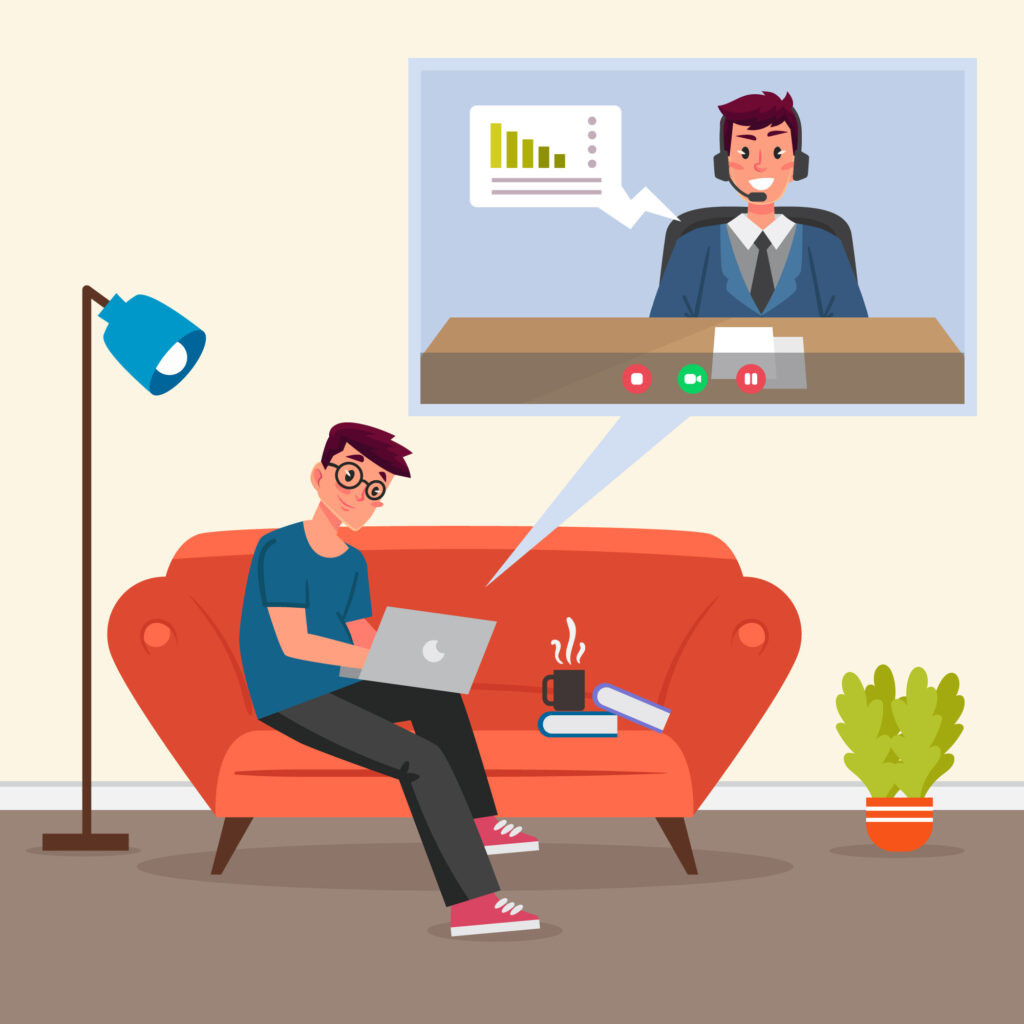
Managing Distractions During Virtual Meetings
Distractions can quickly derail a virtual meeting. One of the key rules of virtual meeting etiquette is giving the meeting your full attention.
Avoid checking emails, browsing the internet, or using your phone during the meeting. Multitasking reduces engagement and can be noticeable to others, even if your camera is off.
Close unnecessary applications and silence notifications before the meeting begins. Staying focused shows respect and improves your ability to contribute effectively.
Using Chat and Reactions Appropriately
Many virtual meeting platforms offer chat features, emojis, and reactions. Proper use of these tools plays a key role in strengthening communication during meetings.
Use the chat function for relevant comments, questions, or links related to the discussion. Avoid side conversations or unrelated messages, as they can distract participants.
Reactions such as thumbs-up or clapping can be useful for quick feedback without interrupting the speaker. However, use them sparingly and professionally.
Virtual Meeting Etiquette for Hosts and Organizers
Meeting hosts have additional responsibilities when it comes to virtual meeting etiquette. A well-organized meeting sets the tone for professionalism and productivity.
Start the meeting on time and clearly explain the agenda and objectives. Ensure all participants have an opportunity to speak and manage time effectively to cover key points.
Encourage respectful interaction and address any disruptions politely. Summarize key decisions and next steps before ending the meeting to ensure clarity.
Handling Technical Issues Professionally
Technical problems can happen to anyone. The key is handling them calmly and professionally.
If you experience audio or video issues, notify the group briefly and try to resolve the problem quickly. Avoid lengthy explanations that interrupt the meeting.
If problems persist, consider leaving and rejoining the meeting or following up afterward. Staying composed during technical difficulties is an important part of virtual meeting etiquette.
Cultural Sensitivity in Virtual Meetings
Virtual meetings often include participants from different cultural backgrounds. Cultural sensitivity plays an important role in achieving clear and effective communication.
Be mindful of time zones when scheduling meetings and avoid assumptions based on cultural norms. Speak clearly and avoid slang or idioms that may not be universally understood.
Respecting cultural differences helps create an inclusive environment and strengthens professional relationships.
Ending Virtual Meetings Properly
How you wrap up a meeting matters just as much as how you start it. Proper virtual meeting etiquette includes a clear and respectful conclusion.
Wait for the host to formally end the meeting. Avoid leaving abruptly unless necessary, and if you must leave early, inform the group in advance.
Thank participants for their time and contributions. A polite closing leaves a positive impression and reinforces professionalism.
Post-Meeting Etiquette and Follow-Up
Virtual meeting etiquette continues even after the meeting ends. Following up appropriately ensures accountability and clarity.
Review meeting notes, action items, and deadlines. If you are responsible for a task, acknowledge it promptly and complete it on time.
Sending a brief follow-up message or email summarizing key points can be helpful, especially for important meetings. This reinforces understanding and professionalism.
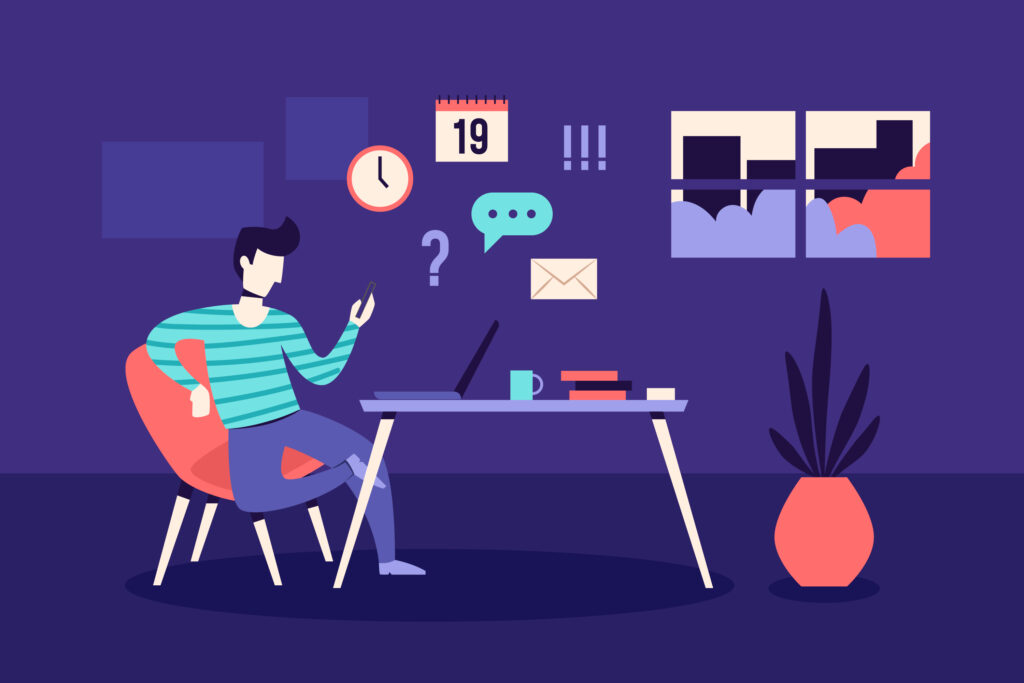
Common Virtual Meeting Etiquette Mistakes to Avoid
Many people unintentionally make mistakes during virtual meetings. Awareness of these common mistakes allows you to avoid them more effectively.
Common mistakes include joining late without explanation, speaking while muted, interrupting others, ignoring the agenda, or appearing disengaged. Avoiding these behaviors can significantly improve your virtual presence.
Consistently practicing good virtual meeting etiquette sets you apart as a reliable and professional participant.
The Future of Virtual Meeting Etiquette
As remote and hybrid work continue to grow, virtual meeting etiquette will remain a critical skill. Technology may evolve, but professionalism, respect, and clear communication will always be essential.
Organizations increasingly value individuals who can communicate effectively in virtual environments. Mastering virtual meeting etiquette is an investment in your long-term career success.
Conclusion
Virtual meetings are now a standard part of professional life, and knowing how to navigate them properly is crucial. By following the principles of virtual meeting etiquette, you can communicate more effectively, build stronger relationships, and enhance your professional image.
From preparation and appearance to communication and follow-up, every aspect of your behavior in virtual meetings matters. Apply these best practices consistently, and you will stand out as a confident, respectful, and highly professional individual in any online meeting environment.
Also Read: Liatxrawler: Everything You Need to Know About This Innovative Platform



2 thoughts on “Virtual Meeting Etiquette: The Complete Guide to Professional and Effective Online Meetings”